Bird Watching in Hong Kong: Where to Go (Best Spots, Parks & Reserves)
Hong Kong is one of the best places in Asia to watch wild birds. More than 580 bird species have been recorded here — the Agriculture, Fisheries and Conservation Department (AFCD) puts that at about 40% of all the species found in China, or roughly 5% of the global total. The territory sits on the East Asian–Australasian Flyway, which makes it a major stopover and wintering site for migrating birds, and its mix of wetland, woodland, shrubland, farmland and coast packs an extraordinary variety of species into a very small area.
This guide is for readers who want to go and watch birds. It lists the sites worth planning a trip around, what each one is good for, whether you need a permit, and how to reach it. It also answers a question the site's market pages do not: the Yuen Po Street Bird Garden in Mong Kok is a caged-bird market, not a bird watching site — the section below explains the difference.
🐦 Hong Kong bird watching at a glance
Species recorded: more than 580 (AFCD)
Why so many: a major stopover and wintering site on the East Asian–Australasian Flyway
Easiest first-timer wetland: Hong Kong Wetland Park, next to the Mai Po Inner Deep Bay Ramsar Site, about 280 species
Premier wetland — permit or guided visit required: Mai Po Nature Reserve, Deep Bay
Newest site: Long Valley Nature Park, opened November 2024
Free city option: Kowloon Park, about 100 different wild bird species
Open-access hotspots named by AFCD: Tsim Bei Tsui, Nam Sang Wai, Luk Keng, Tai Po Kau, Shing Mun, Lung Fu Shan
The bird market is not bird watching
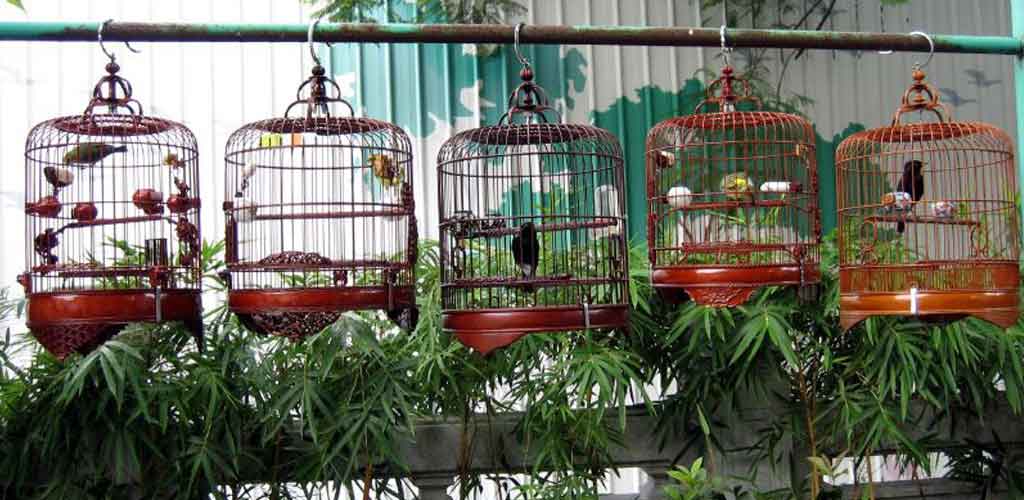
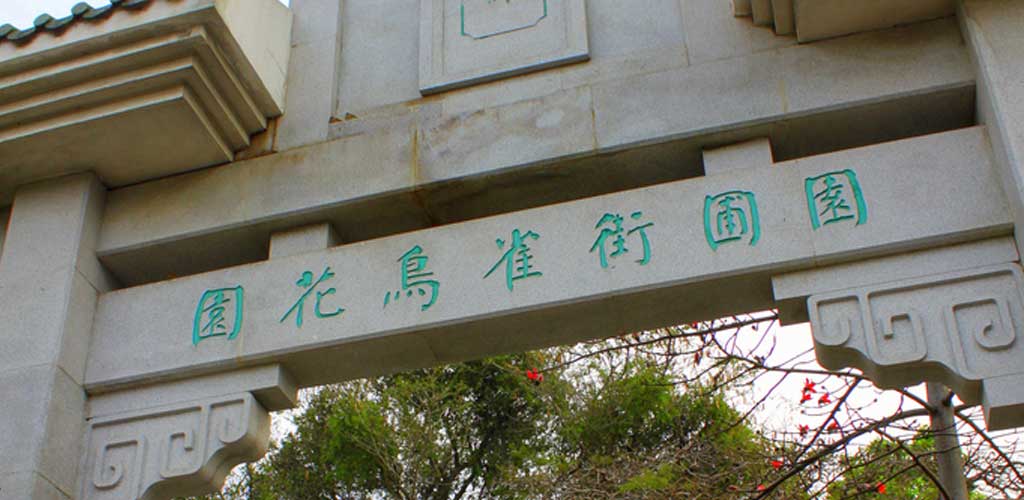
This site belongs to the Yuen Po Street Bird Garden (園圃街雀鳥花園), the well-known bird market in Mong Kok where vendors sell caged songbirds, bamboo cages and bird food. It is a wonderful piece of living Cantonese culture, but it is a market: the birds there are captive songbirds such as the red-whiskered bulbul, white-rumped shama and oriental magpie-robin. Wild bird watching means the birds that live in, or pass through, Hong Kong's parks, wetlands and woodlands. This page covers that wild-bird side of Hong Kong; if you are planning a visit to the market itself, start with the complete guide to the Bird Garden.
At a glance: where to go bird watching in Hong Kong
| Site | Type | Best for | Access | Area |
|---|---|---|---|---|
| Mai Po Nature Reserve | Wetland — Deep Bay | Serious birders; winter waterbirds; Black-faced Spoonbill | Permit or guided WWF visit required | Northwest New Territories |
| Hong Kong Wetland Park | Wetland | First-timers and families; guided tours | Open to the public; regular guided tours | Next to the Mai Po Inner Deep Bay Ramsar Site |
| Long Valley Nature Park | Farmland and freshwater wetland | Freshwater wetland specialists; newest site (2024) | Open access; Nature Centre closed Tuesdays | Sheung Shui, New Territories |
| Tai Po Kau Nature Reserve | Forest and woodland | Forest birds that are hard to see elsewhere | Open access | Tai Po, New Territories |
| Shing Mun | Forest and woodland | Woodland residents; winter thrushes and warblers | Open access | Central New Territories |
| Tsim Bei Tsui | Wetland — Deep Bay | Wintering waders and ducks | Open access | Deep Bay, northwest New Territories |
| Nam Sang Wai | Wetland and farmland | Waterbirds and open views; level walking | Open access | Deep Bay, northwest New Territories |
| Nam Chung and Luk Keng | Tidal mudflats, Starling Inlet | Egrets and herons; egretry on A Chau | Open access | Northeast New Territories |
| Lung Fu Shan Country Park | Urban woodland | Winter visitors and raptors, minutes from the city | Open access | Northwestern Hong Kong Island |
| Kowloon Park | Urban park | Free city birding; about 100 wild species | Free entry, open daily | Tsim Sha Tsui, Kowloon |
| Hong Kong Park | Urban park and aviary | Free family stop; walk-through aviary | Free entry, open daily | Central, Hong Kong Island |
Mai Po Nature Reserve: the premier wetland
Mai Po is the site that serious birders plan a Hong Kong trip around. Managed by WWF-Hong Kong since 1983, the reserve covers about 380 hectares on the Deep Bay coast in the northwest New Territories, and the Mai Po and Inner Deep Bay area was designated a Wetland of International Importance under the Ramsar Convention in 1995. It is a staging and wintering ground on the East Asian–Australasian Flyway: in winter, WWF describes some 60,000 birds making their annual winter migration to roost in Deep Bay, and AFCD records some 50,000–60,000 waterfowl there each winter among over 300 bird species — including globally endangered species such as the Black-faced Spoonbill and Nordmann's Greenshank.
Access: Mai Po is not a free-roaming public park. Visitors must join a WWF public guided eco-visit or apply for a permit. The guided visit is the simplest route for an individual visitor: led by a nature interpreter, it follows a designated trail through the gei wai (the traditional inter-tidal shrimp ponds), a boardwalk and the reserve's natural habitats, and takes in the birdwatching hides.
Practical note: the Peter Scott Visitor Centre is open daily from 9am to 5pm, except the Christmas and Chinese New Year holidays. The reserve is tidal, so what the hides show changes with the water — check the tide when you book.
Hong Kong Wetland Park: the easiest first wetland
The Hong Kong Wetland Park sits next to the Mai Po Inner Deep Bay Ramsar Site and is the most straightforward wetland visit in Hong Kong. AFCD records about 280 species of birds there and describes the park as an ideal place for bird watching; regular guided tours introduce visitors to the birds and to wetland conservation. For a first birding trip with children, or a first trip at all, this is the one to choose — you get wetland species and interpretation in one place, without a permit.
Getting there: the park is served by public transport from nearby Tin Shui Wai in the northwest New Territories. Check the park's own website for current opening hours, admission and guided-tour times before you go.
Long Valley Nature Park: Hong Kong's newest birding site
Long Valley Nature Park opened in November 2024 and is the newest addition to Hong Kong's birding map. It is an ecological conservation facility that combines wetland conservation, farming and nature education on one site: a large piece of freshwater wetland made up of a mosaic of wet and dry farmland, marshes, water ponds and water channels. The Hong Kong Bird Watching Society has recorded over 300 bird species at the site, and AFCD lists the wet farmland and freshwater ponds as habitat for specialist birds such as the Greater Painted-snipe, Von Schrenck's Bittern, Common Kestrel, Dusky Thrush and Pallas's Grasshopper Warbler.
Getting there: from Sheung Shui Station, take green minibus 51B, 51K, 50A, 50K or 508, or bus 76K, to Kam Tsin Bus Station for the Yin Kong entrance — about 400–500 m on foot. From Yuen Long, red minibus 17 or bus 76K also stop at Kam Tsin Bus Station, about 400 m away. For the Long Valley Nature Centre, green minibus 51B or 51K from Sheung Shui Station stops at Sheung Yue River, about 700 m walk; bus 76K stops at Kwu Tung, about 980 m.
Practical note: the car park opens daily from 7:30am to 6:00pm. The Long Valley Nature Centre opens 9:30am–5:00pm and is closed on Tuesdays (except public holidays) and on the first two days of Chinese New Year.
Tai Po Kau and Shing Mun: forest birding
Most of Hong Kong's easy birding is in wetlands and parks; forest species need mature woodland. AFCD names two woodland sites among its hotspots. Tai Po Kau Nature Reserve protects mature secondary woodland that supports forest birds less likely to be seen elsewhere in Hong Kong — well-established residents include the Great Barbet, Chestnut Bulbul, Yellow-cheeked Tit and Velvet-fronted Nuthatch, with uncommon migrants such as the Grey-headed Canary-flycatcher, Hainan Blue Flycatcher, Black Bulbul and Tristram's Bunting recorded regularly. Shing Mun's large areas of mature woodland and plantation support a great variety of species, including residents such as the Crested Goshawk, Rufous-capped Babbler and Grey-throated Minivet, with different thrushes and warblers in winter. Both are open access, and both reward an early start and patient, quiet walking.
The Deep Bay fringe and the northeast: Tsim Bei Tsui, Nam Sang Wai and Luk Keng
The shallow, tidal northwest of the New Territories is where Hong Kong's waterbirds concentrate in winter, and several of the best viewpoints need no permit at all. Tsim Bei Tsui, on the Deep Bay shore, is a major roosting and feeding ground for wintering waders and ducks; regularly seen species include Northern Pintail, Northern Shoveler, Eurasian Wigeon, Black-headed Gull, Grey Plover and Eurasian Curlew. Nam Sang Wai, nearby, mixes wetland and farmland and offers level walking and open views across the fish ponds — a good, undemanding half-day for a beginner. Further east, Nam Chung and Luk Keng look over Starling Inlet, where the tidal mudflats are an important feeding site for the egrets and herons of the egretry on A Chau.
Free city birding: Kowloon Park and Hong Kong Park
You do not have to leave the city to watch wild birds. LCSD says Kowloon Park holds about 100 different wild bird species, and names the Conservation Corner, Color Garden, Chinese Garden, Bird Lake and Fitness Trail as the best spots. Do check the park's current notices first: LCSD lists works at the south-western end of Kowloon Park, including the Colour Garden, as closed, with completion expected in 2028.
Hong Kong Park is the other easy city option. Its Edward Youde Aviary is a large walk-through aviary holding around 530 birds of 60 species, mostly indigenous to Malesia, with a waterfowl lake outside the exit. The aviary is a captive collection rather than wild birding, but it is free, central and an excellent wet-weather or family stop — a useful companion to the wild-bird sites above.
Beginner tips and bird watching etiquette
AFCD's guidance is simple and applies to every site on this page:
- Dress in muted colours — avoid red, yellow or orange clothing.
- Walk quietly. When you find a bird or a nest, keep your distance and keep your voice low.
- Do not disturb nests or natural habitats, and never attempt to catch birds or collect eggs.
- Never shine a torch or light directly at nocturnal birds.
- Do not rush. Relax and enjoy the countryside — spotting even a few common species makes a good day.
- Start where you are. Beginners can begin in urban areas with the birds in their own neighbourhood, then move to wetlands for waterfowl, and only then to forest birds.
- Respect other users of the same area — farmers, landowners and hikers.
Wild birds are protected by law
All wild birds in Hong Kong are protected by the Wild Animals Protection Ordinance (Cap. 170). Anyone who wilfully disturbs, takes, removes or injures wild birds, or their nests and eggs, commits an offence and is liable to a maximum fine of HK$100,000 and imprisonment for one year. The import, export or possession of endangered species is separately controlled under the Protection of Endangered Species of Animals and Plants Ordinance (Cap. 586), which gives effect to CITES.
Getting around: transport summary
| Site | Nearest rail/interchange | Local transport | Note |
|---|---|---|---|
| Mai Po Nature Reserve | Yuen Long / Sheung Shui area | Arranged with your WWF guided visit or permit | Book ahead; permit or tour needed |
| Hong Kong Wetland Park | Tin Shui Wai | Public transport from Tin Shui Wai | Guided tours available |
| Long Valley Nature Park (Yin Kong entrance) | Sheung Shui Station | Green minibus 51B/51K/50A/50K/508, bus 76K | About 400–500 m walk from Kam Tsin Bus Station |
| Long Valley Nature Centre | Sheung Shui Station | Green minibus 51B/51K to Sheung Yue River | About 700 m walk; Centre closed Tuesdays |
| Kowloon Park | Tsim Sha Tsui | Short walk from the MTR | Free; check park notices for closures |
| Hong Kong Park | Central / Admiralty | Short walk from the MTR | Free; aviary is a captive collection |
| Tai Po Kau, Shing Mun, Tsim Bei Tsui, Nam Sang Wai, Luk Keng, Lung Fu Shan | Various (Tai Po, Tsuen Wan and Yuen Long areas) | Bus, minibus or taxi to the trailhead, then on foot | Open access, no permit; check AFCD and the local operator for current routes |
When to go
Where to go is only half the planning — the other half is when. Hong Kong's birding year is driven by migration along the East Asian–Australasian Flyway: about 20% of its birds are resident species, 30% are winter visitors, 40% are passage migrants and 5% are summer visitors, so the birds you see change month by month and numbers peak in winter. Our companion guide, Hong Kong bird watching seasons and migration calendar, sets out the best months and what each season brings.
Related guides
- Yuen Po Street Bird Garden: the complete guide — the market, its culture and its songbirds
- Hong Kong bird watching seasons and migration calendar — the best months and what each season brings
- How to get to the Yuen Po Street Bird Garden
- Yuen Po Street Bird Garden opening hours
Sources
The figures in this guide are from these official pages, checked in October 2026: AFCD — Bird watching in Hong Kong and Birds of Hong Kong; AFCD — Long Valley Nature Park; WWF-Hong Kong — Mai Po Nature Reserve visits; LCSD — Kowloon Park wild bird watching and Hong Kong Park aviary. Where an official source does not publish a figure, this guide omits it rather than estimating.