The Yuen Po Street Bird Garden (園圃街雀鳥花園) is one of Hong Kong's most authentic and treasured cultural sites — a living museum where elderly Cantonese men gather daily with their prized songbirds in intricately crafted bamboo cages. Located in Mong Kok, near Prince Edward MTR station, this free-entry garden offers visitors an intimate glimpse into traditions that predate Hong Kong's transformation into a global financial centre. This complete guide covers everything you need to know before you visit: opening hours, how to get there, what to buy, the bamboo birdcage craft, and the best time to experience the garden at its most vibrant.
Quick Facts
- Official name: Yuen Po Street Bird Garden (園圃街雀鳥花園)
- Address: Yuen Po Street, Mong Kok / Prince Edward, Kowloon, Hong Kong
- Managed by: Leisure and Cultural Services Department (LCSD), Government of Hong Kong SAR
- Opening hours: 7:00am – 8:00pm daily
- Admission: Free — no entry fee
- Stalls: Approximately 70 stalls selling pet birds, cages, and supplies
- Opened: March 1997 (construction March 1996 – March 1997)
- Construction cost: HK$29 million
- Nearest MTR: Prince Edward Station, Exit B1 or B2 (~5 minute walk)
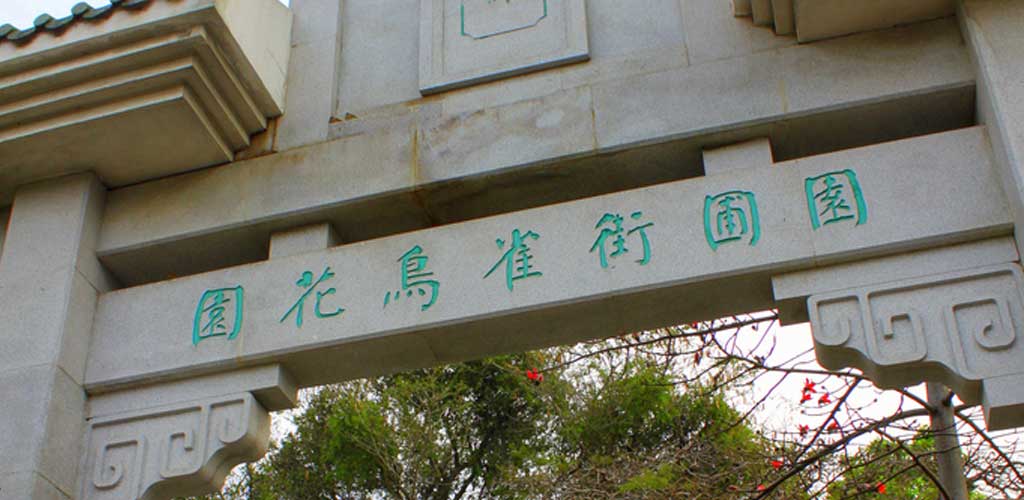
The ornate entrance gateway to the Yuen Po Street Bird Garden features traditional Chinese architectural style, welcoming visitors to this unique living cultural heritage site in Mong Kok.
What Is the Yuen Po Street Bird Garden?
The Bird Garden is a Chinese-style walled garden built to preserve Hong Kong's traditional bird-keeping culture. It replaced the original "Bird Street" (雀仔街) on Hong Lok Street, off Argyle Street in Mong Kok, which was demolished in the 1990s to make way for the Langham Place shopping mall. When the original Bird Street closed, most of its stallholders relocated their entire businesses to the new garden, built roughly 1 kilometre away on Yuen Po Street. The garden opened in March 1997 after a year of construction that cost HK$29 million, funded by the former Land Development Corporation (now the Urban Renewal Authority).
Today the garden serves a dual purpose. For local residents — particularly elderly men — it is a daily social hub, a place to meet friends, compare birds, and continue traditions passed down through generations. For visitors, it is one of the few places in Hong Kong where pre-modern culture still unfolds authentically in public, unchanged by the city's rapid redevelopment.
Opening Hours, Admission, and Practical Information
When to Go
The garden is open 7:00am to 8:00pm every day of the week, and entry is completely free. There are no tickets to book and no admission charge — the garden is a public space managed by the LCSD. Individual vendor stalls operate on their own schedules, typically opening around 11:00am and closing between 5:00pm and 6:00pm, so if you want to browse and buy, mid-afternoon is the best time.
The single most important rule for visiting: go early. The signature experience of the Bird Garden happens between roughly 6:00am and 9:00am, when dedicated bird-keepers arrive with their bamboo cages, hang them from the trees and special racks, and spend hours socialising while their birds sing. This morning ritual is the heart of the garden. By late morning and into the afternoon, the atmosphere shifts toward commercial browsing, and the quiet, contemplative quality that makes the garden special is harder to find.
How Long to Allow
Budget about one hour to walk the garden, visit the stalls, and absorb the atmosphere. If you combine the Bird Garden with the adjacent Flower Market, allow two to three hours for the whole walking loop. The garden is compact — roughly 3,000 square metres — but the details reward slow movement: the marble carvings on the perimeter walls, the glazed bamboo-shaped ceramic roof tiles, and the painted gateways.
How to Get to the Bird Garden
By MTR (Recommended)
The nearest station is Prince Edward on the Tsuen Wan Line and Kwun Tong Line. Take Exit B1 or B2, then walk roughly five minutes north along Nathan Road and turn onto Yuen Po Street. The garden's main entrance faces Boundary Street, with a secondary entrance on Yuen Po Street itself.
An alternative is Mong Kok East Station on the East Rail Line (Exit D), reached via the footbridge beside the Royal Plaza Hotel. It is a slightly longer walk but useful if you are arriving from the northern part of the Kowloon peninsula.
By Bus
Numerous bus routes serve the area, including routes 1, 1A, 2D, 3C, 6D, 24, 27, 42, 87D, 95, 104, 113, 281A, and 2X. Most stop on Boundary Street or Prince Edward Road West, within a short walk of the garden entrances.
From the Airport or Hong Kong Island
From Hong Kong International Airport, take the A21 bus toward Metropole Hotel Mongkok and walk roughly ten minutes from the drop-off. Alternatively, the E21 bus stops near Mongkok Police Station. From Hong Kong Island, take the MTR to Admiralty or Central, then change to the Kwun Tong Line toward Yau Ma Tei; or take bus 113 from Causeway Bay across the harbour.
By Car
Parking in the dense Mong Kok area is limited and expensive. Public transport is strongly recommended. The garden is not a drive-to destination — it is best reached on foot from Prince Edward station, where the walk itself passes through one of Kowloon's most interesting neighbourhoods.
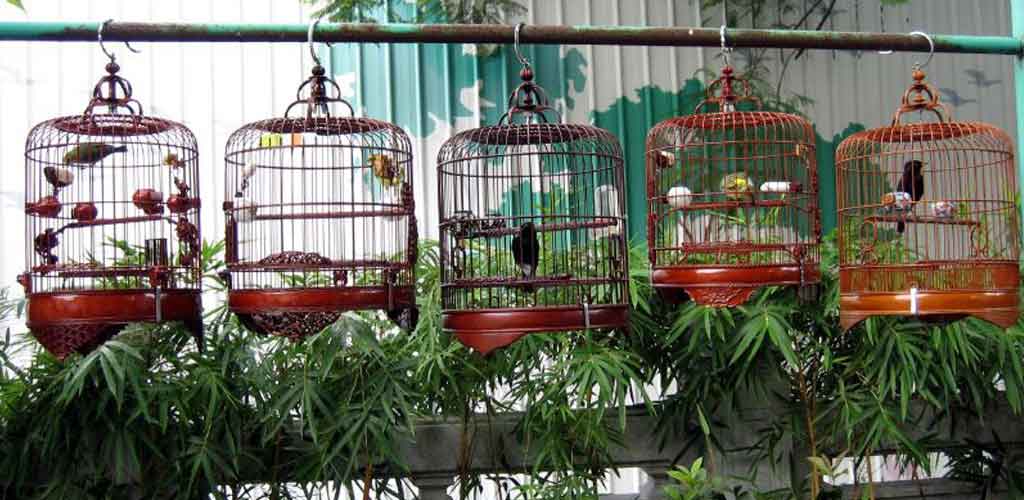
Ornate red birdcages hang among green foliage at the Yuen Po Street Bird Garden, displaying the traditional Chinese art of bird-keeping with small songbirds perched among perches and feeders.
The Living Culture of Hong Kong's Bird-Keepers
The Morning Ritual
Every morning around 6:00am, a dedicated group of mostly elderly men arrives at the Yuen Po Street Bird Garden carrying intricately crafted bamboo and wooden cages housing their songbirds. This daily ritual, practiced for generations, represents far more than a hobby — it embodies traditional Cantonese culture, social structures, and the deep philosophical connection between humans and nature that modern city life has largely displaced.
Social Bonding: The garden serves as a vital community centre where elderly men maintain friendships, share news, and engage in gentle competitions over their birds' singing abilities, creating essential social connections in Hong Kong's otherwise isolated urban environment.
Cultural Continuity: These practices connect modern Hong Kong to its pre-colonial heritage and traditional Cantonese lifestyle, preserving cultural memory that would otherwise be lost to rapid modernisation.
Living Heritage: Unlike museum exhibits, this culture remains active and authentic, providing visitors with genuine cultural experiences rather than sanitised historical displays. The tradition is in decline — the majority of participants are older customers, and few younger people are entering the hobby — which makes the garden both more precious and more fragile.
The Birds
The birds themselves — primarily melodious species such as the red-whiskered bulbul (紅耳鵯), white-rumped shama (白腰鵲鴝), and oriental magpie-robin (鵲鴝) — are carefully selected, trained, and cherished for their singing abilities. Owners engage in friendly competitions, comparing their birds' vocal skills while sharing decades of accumulated knowledge about bird care and training techniques passed down through generations.
Traditional training takes advantage of natural rhythms: birds are brought out during optimal morning hours when they sing most actively, taking advantage of cooler temperatures and a quieter urban environment that allows their voices to carry clearly. Birds learn complex songs by listening to accomplished singers in the communal environment, and owners prepare special diets — including live crickets, mealworms, and traditional seed mixtures — believed to enhance vocal quality, using recipes passed down through generations of bird-keeping families.
The birds of the Bird Garden are caged songbirds kept for their song; they are not wild birds. If you would like to see Hong Kong's wild birds — in wetlands, forest reserves and the free city parks — see our guide to wild bird watching in Hong Kong's parks and wetlands.
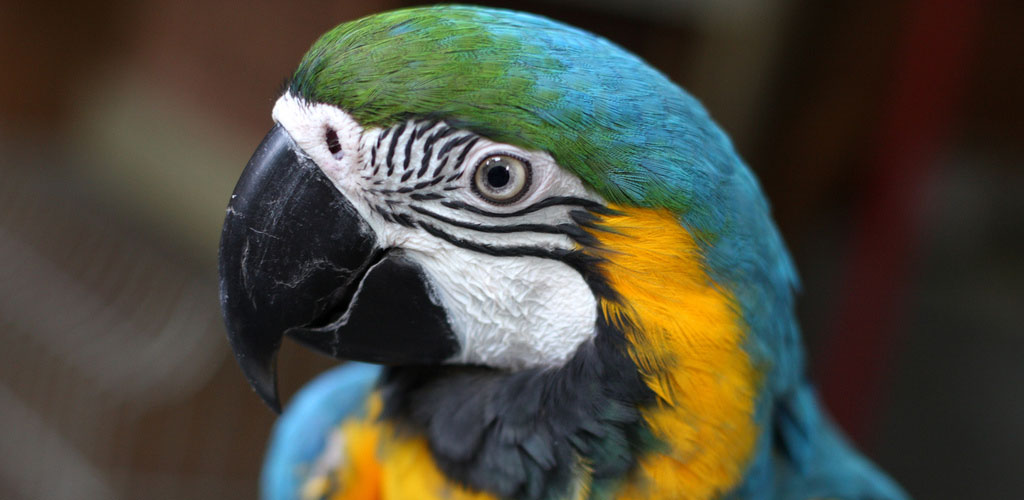
A songbird in a traditional bamboo cage at the Yuen Po Street Bird Garden, where the art of bird-keeping and the craftsmanship of cage-making remain central to daily community life.
The Bamboo Birdcage: Chan Lok-choi, Hong Kong's Last Traditional Maker
One of the most compelling reasons to visit the Bird Garden is the craftsmanship on display — and, for a small number of visitors, the chance to witness it being made. Chan Lok-choi (陳樂齋) is widely recognised as Hong Kong's last remaining traditional birdcage maker. He has been crafting bamboo cages for over sixty years, training in the trade from the age of twelve, and his shop, Choi Kee (財記), is located within the Bird Garden itself.
Each cage is built by hand from bamboo, using joinery techniques inherited from masters like Cheuk Hong. The work involves splitting, shaving, and shaping bamboo into delicate ribs, weaving fine wire grilles, and fitting traditional ceramic feeding bowls and wooden perches. Some of the cages in use at the garden are genuine antiques, passed down through families or acquired from traditional craftsmen, and are valued as cultural heirlooms featuring intricate hand-carved details that reflect the owner's aesthetic sensibilities and cultural status.
This craft is in decline. Chan Lok-choi has no successor, and no younger generation is taking up the trade. Visiting Choi Kee, speaking to the maker if he is present, and understanding what is being preserved is one of the most meaningful experiences available at the garden — a direct encounter with an endangered skill set that is essential to maintaining the cultural tradition.
Meet the Craftsman
Chan Lok-choi (陳樂齋) — Hong Kong's last traditional birdcage maker. Shop "Choi Kee" (財記) is located inside the Bird Garden. His craft has been practiced for over 60 years, trained since age 12. The tradition has no younger successor, making a visit to see the work firsthand a rare opportunity to witness living heritage.
What to Buy at the Bird Garden
The approximately 70 stalls at the Bird Garden sell pet birds and everything related to keeping them. Even if you are not planning to buy a bird, browsing the stalls is one of the best ways to understand the ecosystem that sustains this cultural practice. Here is what you will find, and what to expect to pay.
Bird Cages
This is the most interesting category for most visitors. Cages range from simple mass-produced wire models to handcrafted bamboo cages built using traditional joinery. Expect to pay roughly:
- HK$100–500 for a basic mass-produced cage or a simple bamboo model
- HK$500–2,000 for a well-made traditional bamboo cage with hand-finished details
- HK$2,000–5,000+ for a fully handcrafted bamboo cage from a master maker, or an antique piece with provenance
A cage from Chan Lok-choi's Choi Kee shop represents the top of this range and is, in effect, a piece of cultural heritage as much as a functional object.
Birds and Species
The garden is home to a wide range of species. The most commonly seen songbirds include the red-whiskered bulbul, white-rumped shama, oriental magpie-robin, canaries, parrots, budgerigars, and parakeets. Prices vary enormously depending on species, age, sex, and singing ability — a basic finch might cost a few hundred dollars, while a well-trained songbird from a reputable line can run into the thousands. If you are considering buying a bird, ask about its origin, age, and care requirements; reputable stallholders are usually happy to explain.
Bird Food and Accessories
Stalls sell traditional bird foods including live crickets and mealworms, specialised seed mixtures, and supplements believed to enhance vocal quality, using recipes passed down through generations of bird-keeping families. You will also find ceramic feeding bowls, wooden perches, water dishes, and carrying baskets — small, inexpensive items that make thoughtful, authentic souvenirs of a visit to the garden.
Etiquette When Browsing
Do not touch the cages or disturb the birds without permission — these animals represent significant emotional and financial investment, and many have been carefully trained over years to develop their singing abilities. Speak quietly to maintain the peaceful environment the birds need. If you are photographing, ask permission before photographing bird-keepers or their cages, and focus on the birds and craftsmanship rather than intrusive close-ups of people.